

In an era where technology plays a vital role in everyday life, learning technical skills (Hard Skills) such as programming, using various software, or data analysis has become essential across many professions.
However, what truly sets you apart and leads to long-term success is not just Hard Skills—it’s the “higher-level skills” known as Soft Skills.
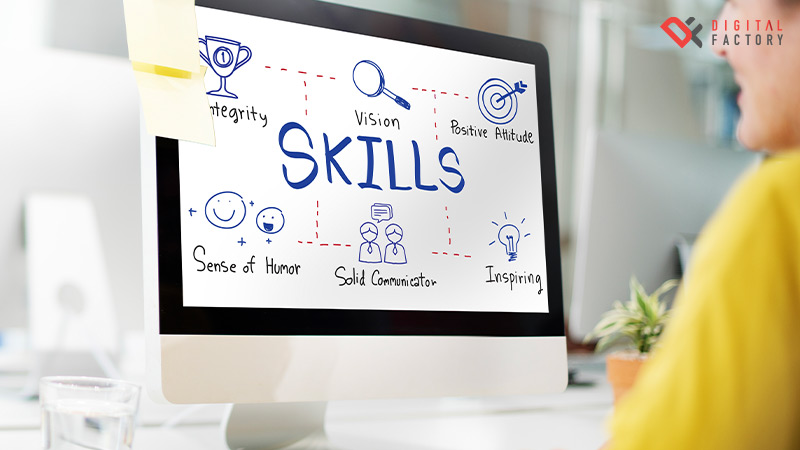
What Are Soft Skills?
Soft Skills go beyond technical knowledge and abilities. They are behavioral, personality, and attitude-based skills that enable you to work effectively with others and achieve shared goals.
Unlike Hard Skills—which are technical competencies learned through education or training—Soft Skills focus on how you communicate, collaborate, adapt, and approach your work environment.
What Are the Key Soft Skills?
Soft Skills act like essential tools that help you adapt to different situations and build strong relationships with others. These skills can be categorized into 10 core areas, including:
1. Communication Skill
Communication is one of the most important Soft Skills because it forms the foundation of teamwork, relationship-building, and achieving goals in every aspect of life—whether at work, in school, or in personal situations.
Effective communication means being able to clearly express your ideas, feelings, and information so others can understand you. It also involves actively listening to others with an open mind. In addition, strong communication skills include choosing the right language for different situations and audiences, using appropriate facial expressions and body language, and being open to receiving feedback from others.

2. Collaboration
Collaboration Skills are essential in today’s team-driven workplace. This skill enables you to work smoothly and effectively with others to achieve shared goals. It requires clear communication, active listening, respect for different opinions, and teamwork in solving problems together.
3. Emotional Intelligence (EQ)
Emotional Intelligence (EQ) is the ability to recognize, understand, and manage your own emotions as well as those of others. Strong EQ helps you build better relationships with colleagues, clients, and people around you. It also allows you to inspire your team and foster a positive work environment.
4. Decision-Making Skill
Decision-making is the ability to choose the best option among several alternatives by analyzing available information and evaluating situations carefully. Good decision-making helps reduce unnecessary risks and leads to better outcomes.
5. Problem-Solving Skill
Problem-solving is the ability to find effective solutions in unexpected situations or when facing sudden challenges. In a world full of uncertainty, this skill helps you adapt quickly to change and handle difficulties with confidence.
6. Analytical Thinking Skill
Analytical thinking involves using logic and structured reasoning to break down complex situations into smaller parts, ask insightful questions, and process information to reach accurate conclusions. This skill guides better business decisions and minimizes potential future risks.
7. Creativity Skill
In a rapidly changing world, creativity is a powerful asset. The ability to generate new and unique ideas helps you stand out in competitive markets and achieve sustainable success.
8. Time Management Skill
Time management is the ability to plan, prioritize, and use your time efficiently to accomplish goals. It not only improves productivity but also allows you to maintain a healthy work–life balance.
9. Negotiation and Persuasion Skill
Negotiation and persuasion involve effectively communicating ideas and influencing others to agree with your proposals. This skill also includes reaching mutually beneficial outcomes through constructive discussion and compromise.
10. Leadership
Leadership is the ability to guide and motivate others to work together toward a common goal. It goes beyond titles or authority—it is reflected through behavior and attitude. A good leader inspires enthusiasm, builds a positive work culture, and encourages team members to perform at their best.
Conclusion
Why Are Soft Skills Important? In the workplace, having Soft Skills allows you to collaborate smoothly with others, build strong connections, and open doors to new opportunities. People with strong Soft Skills often have greater chances for career growth. They are also better at viewing problems from multiple perspectives and finding creative solutions.
For leaders, Soft Skills are even more crucial. They help you inspire your team, foster a positive work environment, and guide everyone toward shared success.
Moreover, if you are looking for a digital marketing agency to help grow your business, it’s important to choose a team with strong Soft Skills. A team that communicates well, collaborates effectively, and thinks strategically will deliver higher-quality service and help you achieve your business goals more efficiently.