

In an era where consumers are surrounded by countless choices, building Brand Awareness has become essential for businesses of all sizes. When consumers can remember and choose your brand among many competitors, it reflects your success in establishing a strong and sustainable customer base.
In this article, we’ll explore what Brand Awareness is and how many levels it has, along with effective strategies to help your brand stand out in the market.
What Is Brand Awareness?
Brand Awareness refers to the level of familiarity consumers have with your brand. It measures how well consumers recognize and recall your logo, brand name, products, and other brand assets. In other words, when your brand is mentioned, what comes to consumers’ minds?
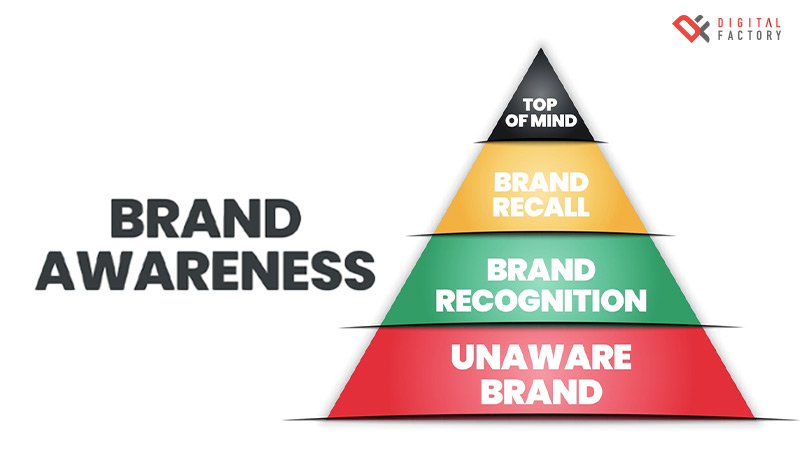
How Many Levels of Brand Awareness Are There?
Brand Awareness is not just about whether consumers recognize your brand name. It also reflects the level of understanding and connection consumers have with your brand. Brand Awareness can be divided into four levels, as follows:
1. Unaware of Brand
Unaware of Brand refers to a target audience that has never heard of or is completely unfamiliar with your brand. They may have never seen your logo, brand name, products, or services before. In other words, your brand does not yet exist in their minds.
2. Brand Recognition
Brand Recognition is the ability of consumers to correctly identify your brand when they see visual or auditory cues such as your logo, brand colors, packaging, or slogan.
Simply put, Brand Recognition is like seeing the yellow “M” on a red background and immediately knowing it represents McDonald’s.
3. Brand Recall
Brand Recall is the ability of consumers to remember your brand without any prompts or visual cues. It measures how deeply your brand is embedded in consumers’ minds.
For example, when you think of an energy drink, which brand comes to mind first? If you think of Red Bull, that means Red Bull has strong Brand Recall for you.
4. Top of Mind
Top of Mind refers to the very first brand that comes to a consumer’s mind when thinking about a specific product or service category. It indicates the highest level of brand awareness.
For example, when you think of cola beverages, which brand comes to mind first? If you immediately think of Coca-Cola, it means Coca-Cola holds a Top of Mind position in that category.

Effective Strategies to Build Brand Awareness and Make Your Brand Stand Out
Building a brand that stands out in the market requires a strong strategy. One of the most important strategies is Brand Awareness, which helps your brand become more recognized and memorable in the minds of consumers.
1. Clearly Define Your Target Audience
Understanding your target audience is a crucial step in building a successful brand. Studying their behaviors, interests, and preferred communication channels allows you to connect with them more effectively. Creating detailed customer personas helps you clearly visualize who your customers are, what they need, and what they expect from your brand. These insights lead to more targeted and effective marketing strategies.
2. Create a Strong and Distinct Brand Identity
A strong brand identity consists of several key elements: a simple yet meaningful logo, brand colors that reflect your personality, a consistent tone of voice, and a short, memorable slogan. When these elements work together cohesively, they create a clear and lasting impression in consumers’ minds.
3. Choose the Right Communication Channels
Selecting the appropriate communication channels is essential for increasing brand awareness. Popular channels include:
Social Media: Choose platforms your target audience uses most frequently, such as Facebook or Instagram.
Website: Create a clean, user-friendly website with complete and useful information.
Email Marketing: Maintain long-term relationships with customers through consistent and valuable communication.
Print Media: Magazines, newspapers, and billboards can help you reach a broader audience.
Using these channels strategically and consistently will help your brand reach your audience more effectively and support business growth.
4. Create Valuable Content
Producing valuable content is another key strategy for building brand awareness. This can include blog articles relevant to your industry, engaging and informative videos, easy-to-understand infographics, and well-structured website content. High-quality content positions your brand as a reliable source of information and helps build long-term relationships with your audience.
5. Deliver Excellent Customer Experience
Providing a positive customer experience strengthens brand loyalty and long-term relationships. Fast customer service, high-quality products or services, interactive activities, and loyalty programs all contribute to customer satisfaction. When customers have a great experience, they are more likely to return and recommend your brand to others.
6. Promote Your Brand Effectively
Brand promotion can be done through various methods, such as distributing press releases to media outlets, collaborating with influencers whose followers match your target audience, and organizing public events to enhance brand visibility and reputation. These efforts help expand your reach and make your brand more widely recognized.
7. Measure and Improve
Tracking key performance indicators such as website traffic and social media followers is essential to evaluating campaign success. Analyzing this data helps identify strengths, weaknesses, and opportunities for improvement. By continuously refining your strategies based on real results, you can plan and execute future campaigns more effectively and achieve better outcomes.
Conclusion
Building Brand Awareness is a process that requires time and consistent effort. Therefore, having an online marketing expert to provide consultation, guidance, and strategic marketing planning services can help you achieve your goal of building a strong and recognizable brand more quickly and effectively.